Façade cladding
Replace selected conventional cladding areas with energy-generating architectural glass.
The Calivon BIPV collection
A façade can express your architecture and generate power at the same time. Discover solar glass with colour, character and purpose.
Local Saudi supply and project coordination.
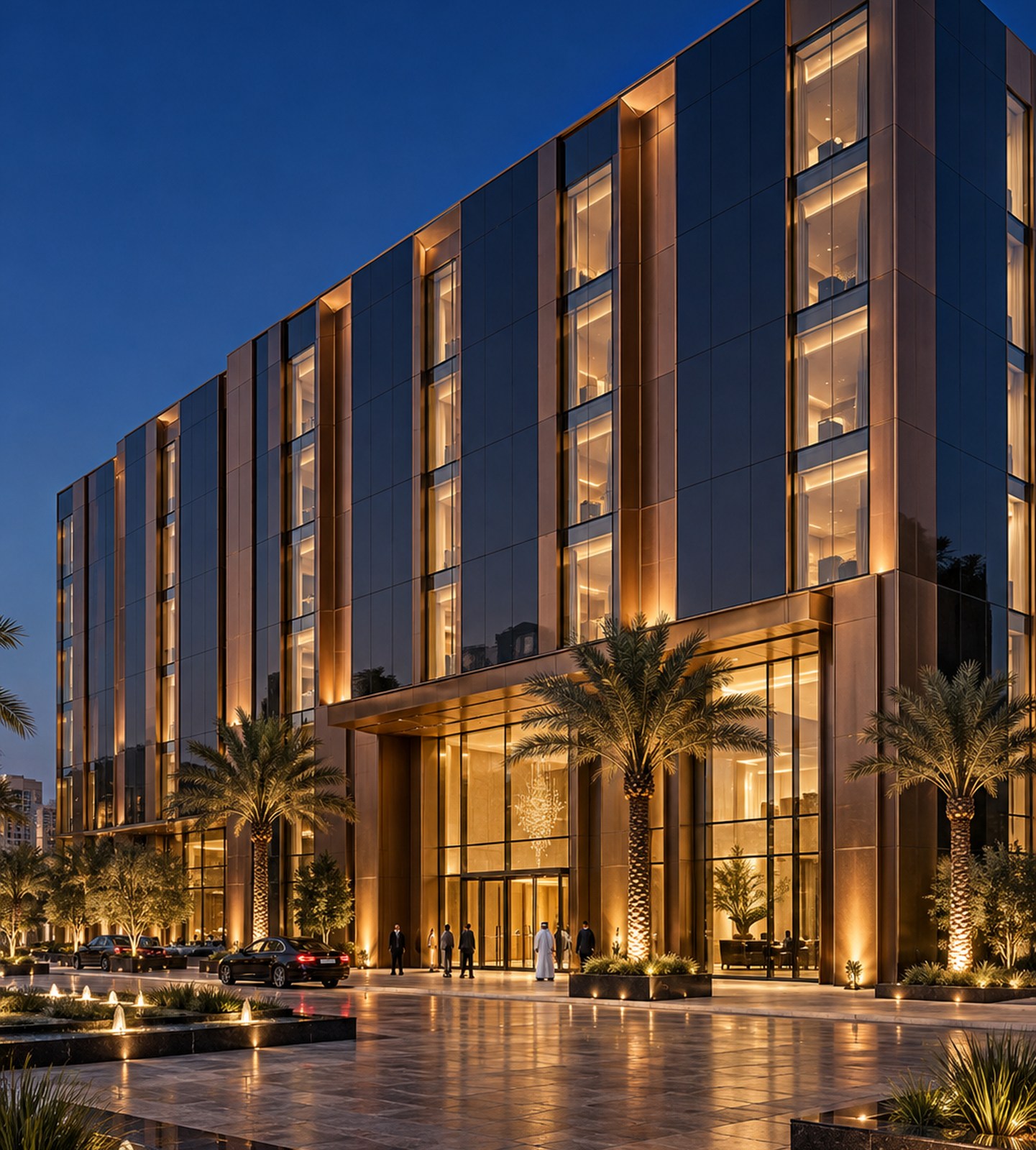
Two functions. One surface.
BIPV means building-integrated photovoltaics. Photovoltaic cells become part of the building element itself—such as façade cladding or glazing—so that element contributes to the architecture and produces electricity.
For a project already specifying cladding, the useful comparison is the proposed BIPV system against the planned façade system. Calivon helps assess the additional scope alongside the potential value of the electricity generated.
Colour & design freedom

A bold, single-colour façade. Explore a finish that complements your architectural palette.
1,000+
Custom colour matching, printed patterns and imagery let the solar surface follow the project’s character. Select a sample to explore.
Representative samples from the Calivon booklet. Colour, image reproduction, dimensions and electrical output are confirmed for the selected product and design.
Ask about physical samples →Where it belongs
Replace selected conventional cladding areas with energy-generating architectural glass.
Explore daylight, transparency and power together, with a glass build-up suited to the application.
Combine shelter and generation over entrances, walkways and gathering spaces.
Consider solar fins and shading surfaces as part of the envelope and energy concept.
Suitability depends on the selected module, structural and electrical design, glass specification and project requirements.
Architectural possibilities
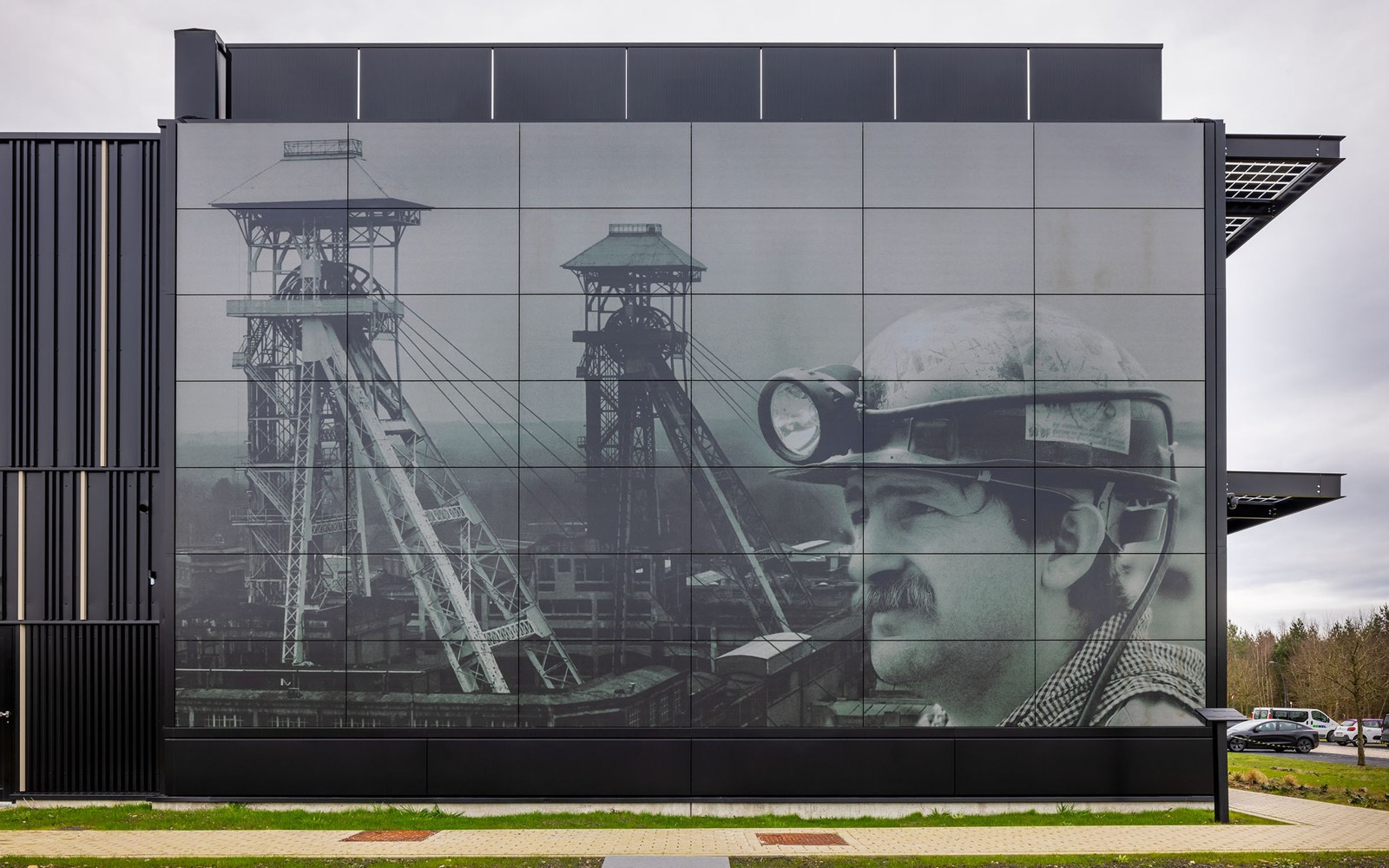
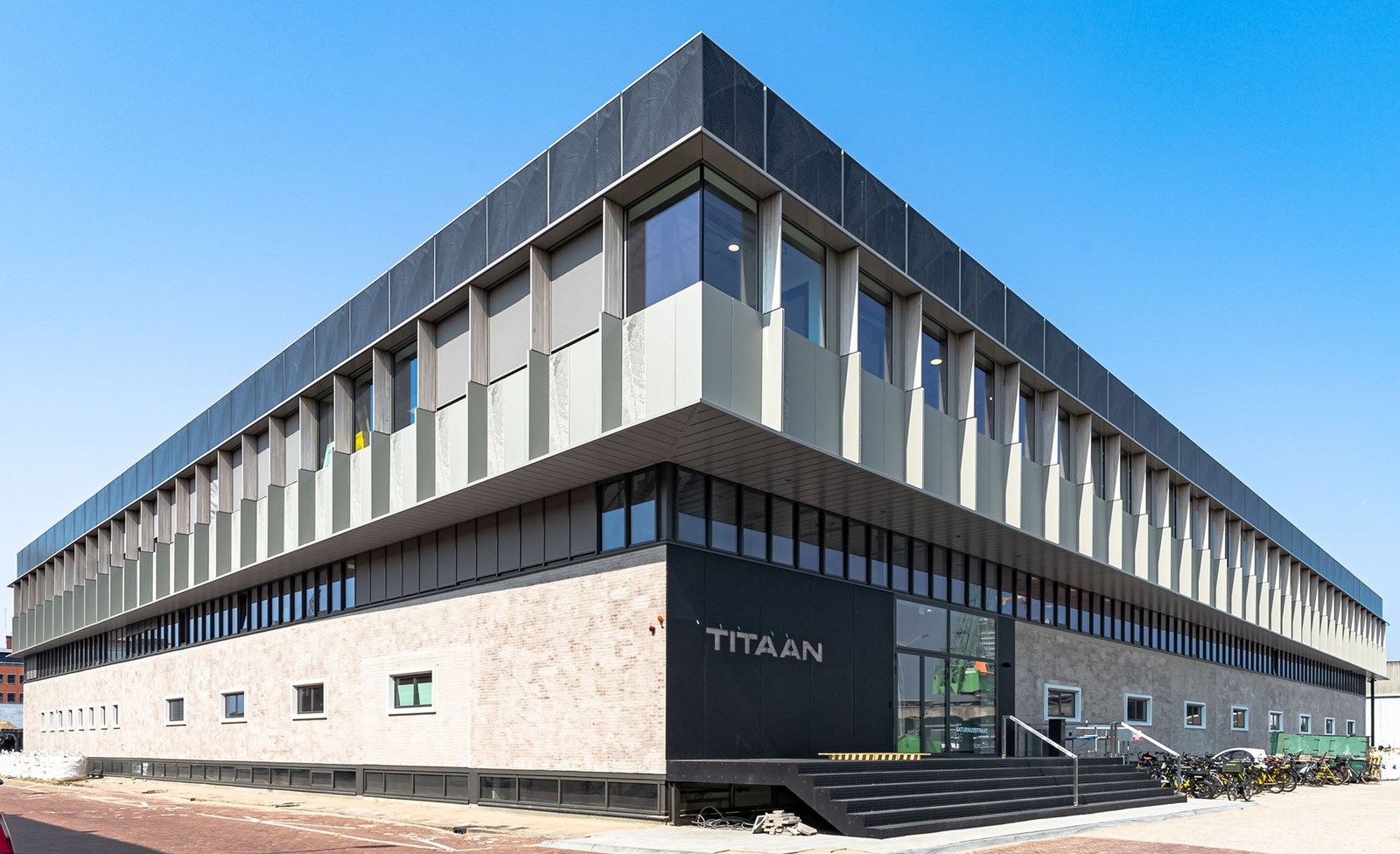
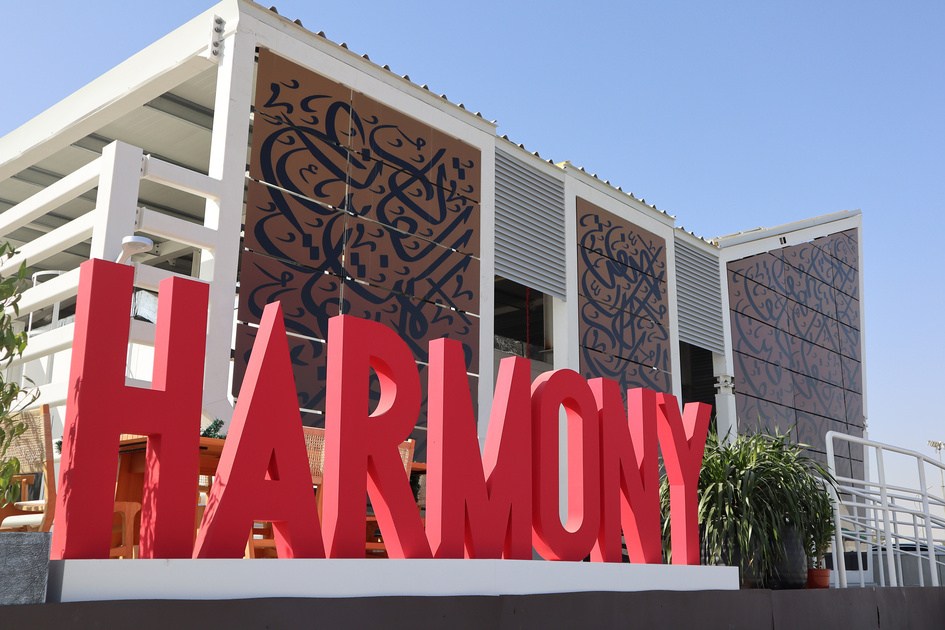
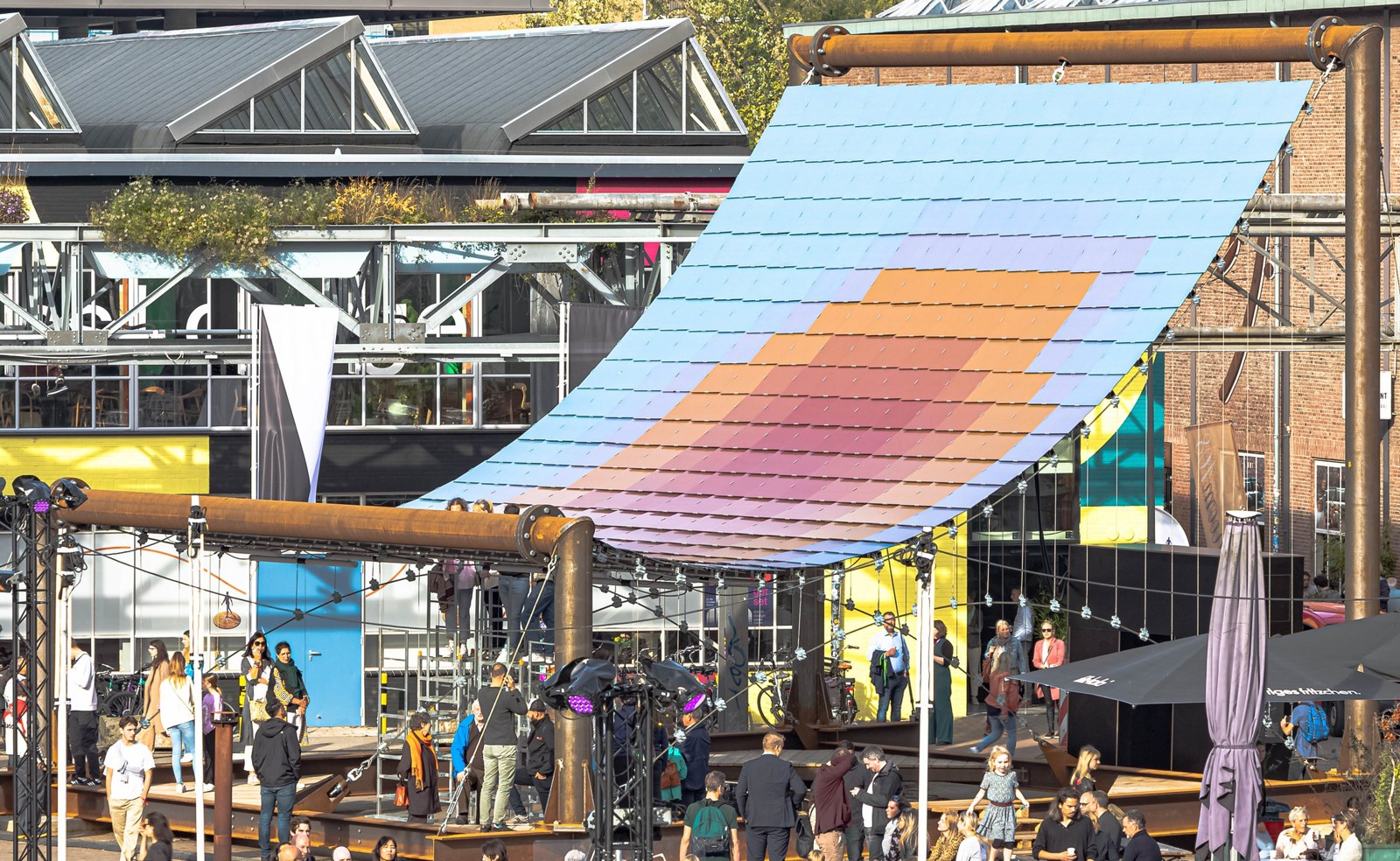
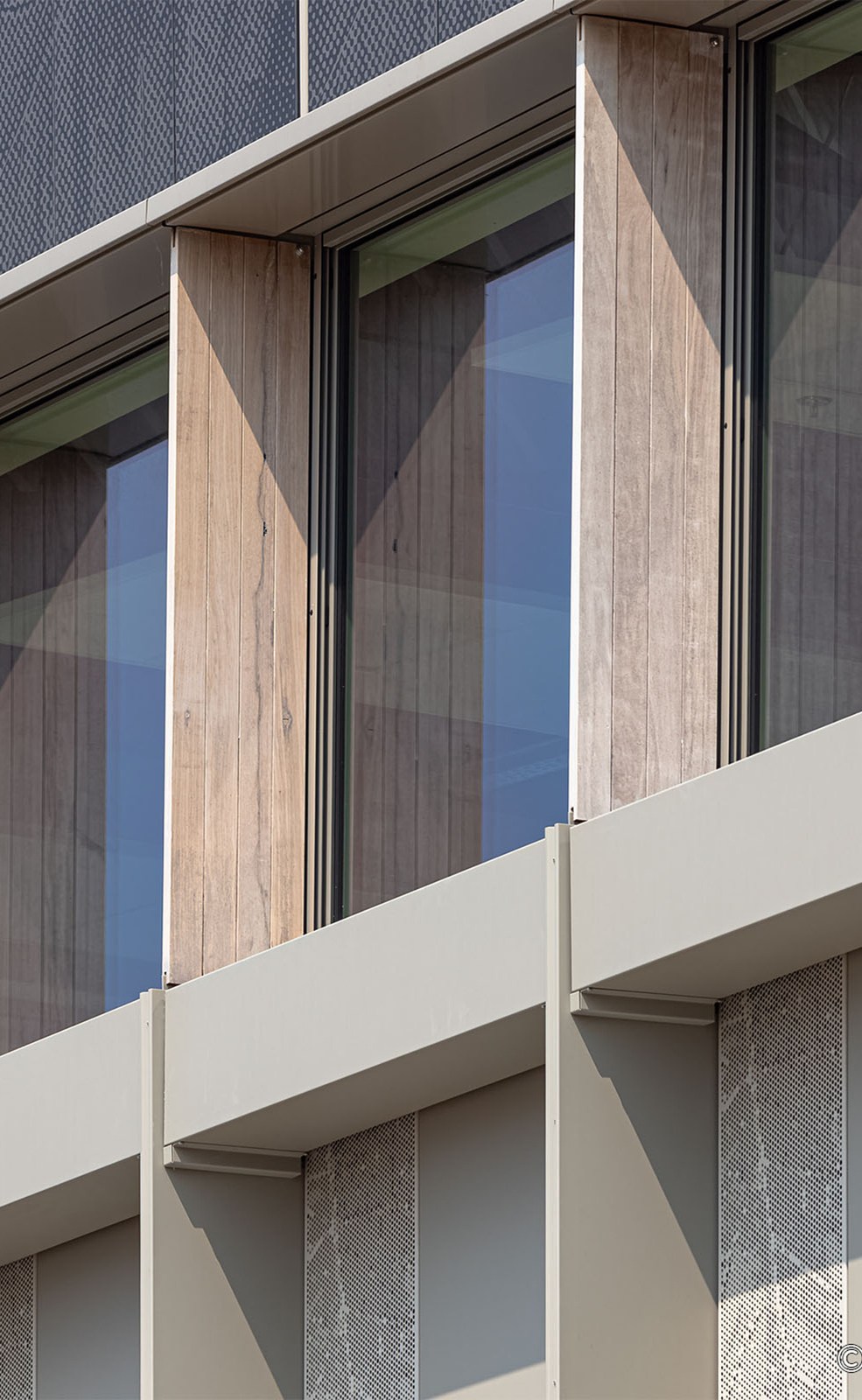
Technology reference projects featured in the Calivon BIPV booklet; shown as design inspiration. These are third-party installations, not Calivon-delivered projects.
Performance, durability & care
Ceramic colour fired into glass provides a durable architectural finish. The selected module, its warranty and the maintenance plan should be reviewed as part of the full façade specification.
*As stated in the Calivon booklet: ColorBlast colour fastness and eligible Kameleon module power warranties. Manufacturer terms, eligibility and the project specification apply; these are not whole-system or installation warranties.
From idea to a defined scope
Project location, elevations, available surfaces and your preferred appearance.
Explore colours, samples, module layout and the surfaces that suit solar generation.
Coordinate glass, mounting, electrical interfaces, forecast yield and required approvals.
Confirm the selected solution, supply scope, responsibilities, programme and commercial offer.
Share it with Calivon. We can review how its colours and character could be translated into solar glass, subject to samples and project detailing.
It does not have to. The collection includes single colours, patterns and photographic imagery. Samples help agree the visual result, and the chosen finish is considered alongside power output.
A useful forecast needs your location, orientation, shading, usable area and chosen product. The Calivon booklet gives an indicative estimate of 480–600 Wh per m² per day, varying with colour. This is an illustration, not a site forecast or guaranteed yield; sunlight and project conditions change the result.
BIPV must be designed for its building role. Glass build-up, fixings, structure, fire performance, weather protection, cabling and local approval requirements need project-specific review. Calivon coordinates the selected product and project interfaces.
Start with the project location, drawings or façade elevations, approximate area, desired finish and timeline. If available, include the current cladding specification and electrical information so the comparison has a clear basis.
Plan routine glass cleaning and scheduled electrical checks within the building maintenance plan. Access, cleaning methods, inspection intervals and manufacturer instructions should be agreed for the selected system.
Start a conversation
Share your location, drawings or energy challenge. We’ll help define the right next step and the information needed for a project proposal.